
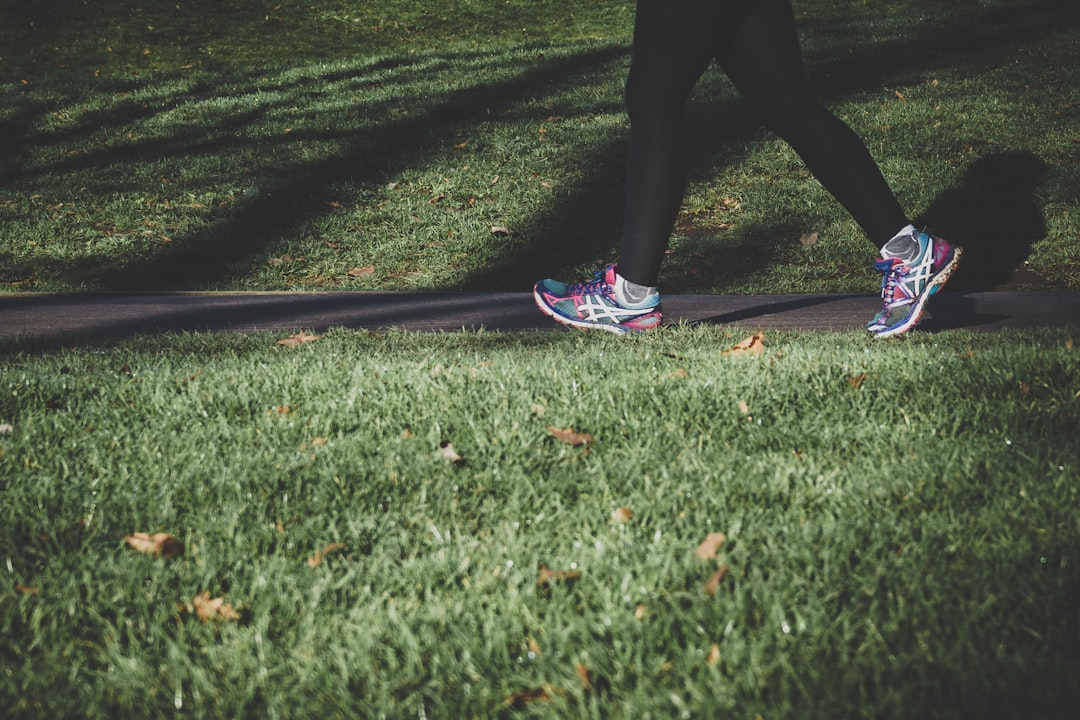
Japanese walking has become one of 2026’s fastest-growing fitness searches, but the method itself is not a social-media invention. Researchers in Japan have studied interval walking for years. The appeal is simple: it turns an ordinary walk into a structured cardiovascular workout without requiring a treadmill, gym membership, or complicated program.
That makes it almost perfectly suited to the Lean by Habit philosophy. You do not need a heroic workout. You need a useful dose of exercise that is simple enough to repeat.
What Is Japanese Walking?
Japanese walking, also called interval walking training (IWT), alternates three minutes of brisk walking with three minutes of easy walking, typically for five rounds. That gives you a 30-minute session.
- Walk easy for 3 minutes.
- Walk briskly for 3 minutes.
- Repeat the six-minute cycle 5 times.
- Aim for about 4 sessions per week if the full research protocol fits your ability and schedule.
During the fast intervals, the pace should feel purposeful and challenging. You should be breathing harder, but you are still walking rather than running. During the easy intervals, slow down enough to recover for the next effort.
Why Japanese Walking Is Trending in 2026
Walking is having a remarkable fitness moment. Recent 2026 trend reporting shows enormous growth in searches for interval-style walking, while wearables, healthy aging, time-efficient training, and accessible cardio remain major themes across the fitness industry.
The reason is not mysterious. Walking has almost no setup cost. Add intervals and you create a progression lever without making the behavior much more complicated.
That is a useful distinction: the habit stays easy to start even when the workout becomes more productive.
What Does the Research Say?
A 2010 study of sedentary middle-aged adults used five or more sets of three-minute lower-intensity walking alternated with three minutes of moderate-to-high-intensity walking on four or more days per week. After three months, the interval-walking group improved peak aerobic capacity and reduced resting systolic blood pressure. Later research in 679 middle-aged and older adults found that five months of interval walking increased estimated peak aerobic capacity by about 14% on average, with the amount of faster walking emerging as an important driver of improvement.
A separate randomized trial in older adults compared interval walking with normal walking over 20 weeks. Both approaches produced improvements in several outcomes, a reminder that ordinary walking remains valuable. Interval walking is not magic. It is simply a practical way to introduce periods of higher effort.
That nuance matters. The internet loves turning useful exercise methods into miracles. The evidence supports interval walking as a legitimate fitness tool, not a replacement for strength training, nutrition, sleep, or the rest of your health habits.
Japanese Walking vs. Regular Walking
| Feature | Japanese Interval Walking | Steady Walking |
|---|---|---|
| Pace | Alternates brisk and easy | Mostly consistent |
| Typical session | 30 minutes | Flexible |
| Cardio challenge | Higher during fast intervals | Usually lower and steadier |
| Equipment | None required | None required |
| Best use | Improving fitness efficiently | Daily movement, recovery, longer walks |
You do not have to choose one. Use ordinary walking to accumulate movement and interval walking when you want a more deliberate training stimulus.
The Lean by Habit Version: Build a Floor Before a Ceiling
The original research protocol is useful, but a plan only works when you actually perform it. If 30 minutes four days per week feels like too much today, do not turn that into an excuse to do nothing.
Level 1: The 12-Minute Minimum
Complete two rounds: 3 minutes easy, 3 minutes brisk, repeated once. This is your minimum effective habit on crowded days.
Level 2: The 18-Minute Builder
Complete three rounds. Use this while your legs and cardiovascular system adapt to the change in pace.
Level 3: The 30-Minute Standard
Complete five rounds of 3 minutes brisk and 3 minutes easy. Progress toward the research-style schedule only when it fits your current fitness and recovery.
This is the same principle behind the Lean by Habit recovery-speed rule: protect continuity first. A smaller completed session beats a perfect session that lives only on your calendar.
How Hard Should the Fast Intervals Feel?
The research often prescribed fast walking relative to measured peak aerobic capacity, which most people will not have available. In everyday practice, use perceived effort.
- Easy interval: roughly 3 to 4 out of 10. Conversation is comfortable.
- Brisk interval: roughly 7 out of 10. You are breathing noticeably harder and speaking in full sentences becomes less comfortable.
Do not race the clock or force an artificial speed. Hills, heat, fitness level, medications, and terrain can all change the effort required.
How to Make Japanese Walking a Habit
- Choose a cue. Attach the walk to something stable: after morning coffee, at lunch, or immediately after work.
- Use one route. Familiarity reduces friction and lets you focus on effort instead of navigation.
- Program the intervals. Use a watch or phone timer so you are not staring at the clock.
- Keep a minimum. On bad days, do two rounds rather than abandoning the habit.
- Track completions, not perfection. Your goal is to build a repeatable training pattern.
If you travel frequently, this also pairs well with the Hotel-Arrival Rule. A safe outdoor route, hotel treadmill, or long corridor can become your temporary interval course.
Where It Fits in a Complete Fitness Plan
Japanese walking is cardiovascular training. It should complement rather than replace resistance training. The five components of fitness still matter: aerobic fitness, muscular strength, muscular endurance, flexibility, and body composition, with balance and mobility increasingly important as we age.
A simple week could include two or three full-body strength sessions, two Japanese walking sessions, easier walking on other days, and brief mobility work. Start with less if necessary and earn the right to add more.
Frequently Asked Questions
Does Japanese walking burn more calories than normal walking?
The brisk intervals raise exercise intensity and will generally increase energy expenditure per minute compared with a slower pace, but calorie burn varies substantially by body size, speed, terrain, and fitness. Its bigger advantage is the structured cardiovascular stimulus.
Is Japanese walking HIIT?
It is interval training, but it is not the same as all-out sprint interval training. The fast segments are challenging walking efforts separated by easier recovery periods.
Can beginners do Japanese walking?
Many beginners can use a scaled version. Start with fewer rounds and a brisk pace that is challenging but controlled. People with cardiovascular disease, significant joint problems, balance limitations, or other medical concerns should get appropriate individualized guidance before beginning higher-intensity exercise.
Can I do it on a treadmill?
Yes. A treadmill makes the intervals easy to standardize. Increase walking speed, incline, or a combination during the brisk segments, then reduce the demand for recovery.
How often should I do Japanese walking?
The research protocol commonly used four or more days per week, but your appropriate frequency depends on your current activity, strength training, recovery, and health. Two sessions per week can be a sensible entry point before progressing.
The Bottom Line
Japanese walking is popular because it solves a real problem: people want more fitness without adding more complexity.
Three minutes brisk. Three minutes easy. Repeat.
The protocol is simple enough to remember, challenging enough to matter, and flexible enough to scale. That is the kind of exercise habit worth keeping after the trend cycle moves on to something shinier.
Your action: On your next walk, perform just two brisk/easy cycles. Twelve minutes. Finish while you still feel capable of doing more. Then put the next session on your calendar.
Small habits. Measurable progress. Lasting results.
Research and Further Reading
- Masuki et al. — High-Intensity Walking Time and Health Outcomes After Interval Walking Training
- Lalande et al. — Effects of Interval Walking on Physical Fitness in Middle-Aged Individuals
- Randomized trial of interval versus normal walking in older adults
Featured photo: Arek Adeoye / Unsplash. This article is for general educational purposes and is not individualized medical advice.

Leave a Reply