
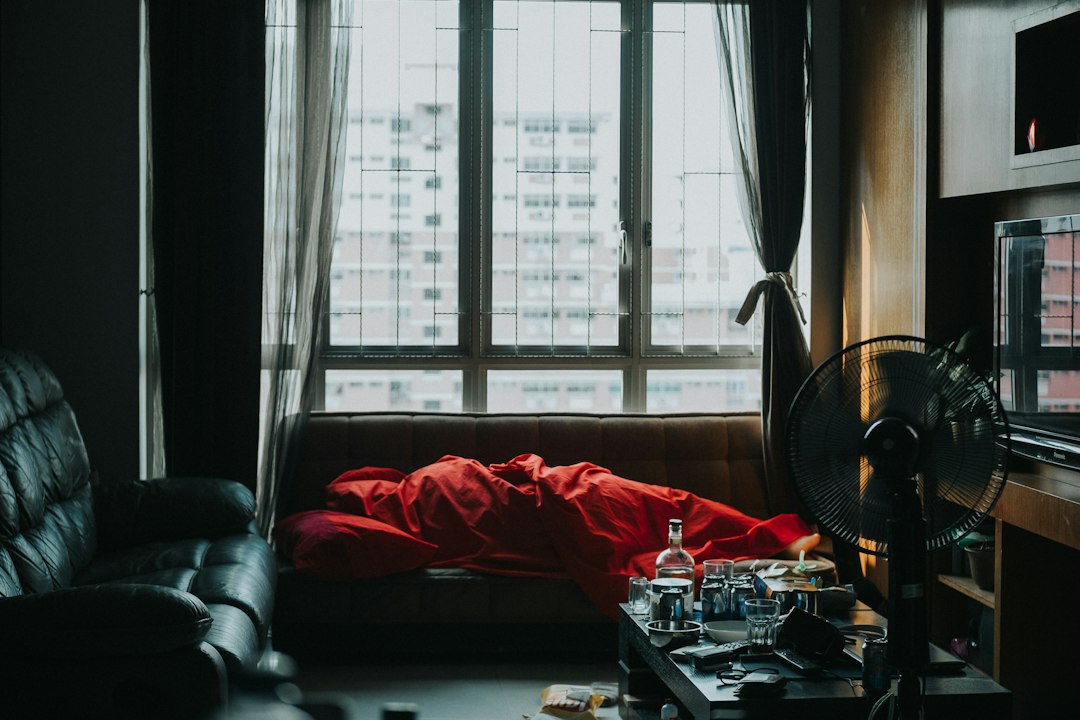
Alcohol can make you fall asleep faster while making the night less restorative. Three or four drinks close to bedtime commonly raise sleeping heart rate, lower heart-rate variability (HRV), disrupt REM sleep, and leave less capacity for training the next day. The size of the effect varies, but the direction is remarkably consistent.
That does not mean one social evening erases your fitness. It means alcohol creates a predictable recovery tax. The useful question is not, “Was my score bad?” It is, “How do I reduce the tax, adjust tomorrow intelligently, and return to my normal routine without overreacting?”
What three or four drinks can do overnight
A 2026 real-world study analyzed 5,109,185 person-days from 20,968 adults wearing physiological sensors. Compared with each participant’s own normal pattern, greater alcohol intake was associated with a dose-dependent increase in sleeping resting heart rate, a decrease in HRV, shorter sleep, and less physical activity the following day.
That study is especially useful because it compared people with themselves across many ordinary days instead of comparing “drinkers” with “non-drinkers.” Still, it was observational. People reported their own alcohol intake, and the analysis cannot prove that every change was caused by alcohol alone.
A controlled laboratory study provides a stronger test of cause and effect. Twenty-six adults completed placebo, lower-dose, and higher-dose alcohol nights. The higher dose was three standard drinks for women and four for men. Alcohol increased nocturnal heart rate, suppressed total and vagal HRV, reduced baroreflex sensitivity, and increased sympathetic activity. The effects were most pronounced after the higher dose. Read the study.
In plain language, the body may be asleep while the cardiovascular system is working harder and recovering less efficiently.
Why HRV falls and resting heart rate rises
HRV reflects the variation in time between heartbeats. Higher is not automatically “better” in every context, and comparisons between people are often misleading. The most useful comparison is your value against your own baseline.
During restorative sleep, parasympathetic activity normally helps the body settle. Evening alcohol shifts that balance: heart rate rises, vagal influence falls, and sympathetic activity remains more elevated. Your watch may summarize that as lower HRV, higher resting heart rate, more physiological stress, or a lower recovery score.
The watch is not diagnosing damage. It is detecting that the night was different from your baseline. As explained in Lean by Habit’s readiness-score guide, wearable data should adjust the dose of training—not automatically cancel the habit.
Alcohol may sedate you without improving sleep
Alcohol can shorten the time it takes to fall asleep, which is one reason it can feel helpful. Sedation and restorative sleep are not the same thing.
A systematic review and meta-analysis of 27 studies found delayed REM onset and reduced REM duration after alcohol. Disruption appeared even at lower doses of about two standard drinks and generally worsened as the dose increased. The apparent “benefit” of falling asleep faster was mainly seen at high doses, around five drinks, where the disruption was also greater. Read the review.
Alcohol can also worsen snoring and sleep-disordered breathing in susceptible people. That matters because a lower wearable recovery score may reflect several overlapping problems: altered autonomic activity, fragmented sleep, reduced REM, dehydration, a later bedtime, or impaired breathing. A consumer wearable cannot reliably separate them.
Does alcohol ruin muscle recovery?
The honest answer is more measured than social media makes it sound.
One frequently cited experiment found that a very large post-exercise alcohol dose reduced muscle-protein synthesis even when participants consumed protein. But the dose averaged roughly 12 standard drinks—far beyond a normal glass of wine or two. It demonstrates a biological effect at heavy intake; it does not tell us that one drink destroys a workout. Read the experiment.
A systematic review of 12 studies found that many short-term performance measures—including force, power, muscular endurance, soreness, and perceived exertion—were often unchanged after post-exercise alcohol. At the same time, cortisol tended to rise while testosterone, circulating amino acids, and muscle-protein synthesis tended to fall. The evidence base was small and protocols varied considerably. Read the review.
The practical conclusion is not that every drink ruins adaptation. It is that heavier drinking adds recovery friction, especially when layered onto hard training, inadequate food, and a shortened night.
The Lean by Habit Recovery Tax
A sustainable fitness system should survive birthdays, dinners, travel, and weekends. The goal is to make the tradeoff visible before the first drink—not to discover it from your watch the next morning.
1. Decide the cost before you start
Choose your limit while the decision is still easy. Three or four drinks are not just extra calories; they are a likely claim against sleep, HRV, resting heart rate, and tomorrow’s training capacity. A preselected ceiling is a habit boundary, not a moral judgment.
2. Move the last drink earlier
In the 2026 wearable study, finishing earlier was associated with smaller disturbances in resting heart rate and HRV. This does not neutralize alcohol, but it gives the body more time to metabolize it before sleep.
A practical rule is to stop drinking several hours before bed whenever the occasion allows. Extending the sleep opportunity also helped, although sleeping later cannot fully restore disrupted sleep architecture.
3. Protect the basics without pretending they are an antidote
- Eat a normal meal containing protein and carbohydrate.
- Drink water during the evening.
- Protect enough time in bed.
- Avoid combining alcohol with a punishing late workout.
- Do not add a “recovery” supplement and assume the problem is solved.
Hydration modestly softened some cardiovascular changes in the large 2026 study, but the effect was small. Water helps with hydration. It does not sober you up, restore REM sleep, or erase the recovery tax.
4. Use Green, Yellow, or Red the next morning
| Morning status | What you notice | Training decision |
|---|---|---|
| Green | Near-normal HRV/RHR, slept reasonably, feel steady | Train as planned, but do not chase a personal record merely to prove you are fine. |
| Yellow | Moderately worse metrics, shortened sleep, sluggish but functional | Use the compressed session: reduce volume, keep technique crisp, and stop a few repetitions earlier. |
| Red | Markedly elevated RHR, very low HRV, poor sleep, dehydration, dizziness, nausea, or impaired coordination | Choose recovery or a minimum movement habit. Do not use a hard workout to “sweat it out.” |
Symptoms matter more than a single number. Do not exercise if you are still intoxicated or unsafe to drive. Seek medical care for severe symptoms, chest pain, trouble breathing, confusion, fainting, or persistent vomiting.
5. Return without compensation
The worst follow-up to one disrupted night is often turning it into a disrupted weekend. Do not starve yourself, perform punishment cardio, or abandon the week because the wearable score is ugly.
Use the Recovery-Speed Rule: resume normal meals, hydration, sleep timing, and the next appropriate training session. Score the return, not the perfect streak.
How to interpret your wearable after drinking
Use the data as a personal experiment:
- Compare the night with your normal baseline—not someone else’s HRV.
- Record the number of standard drinks and the time of the last drink.
- Note bedtime, sleep duration, and whether you trained hard that day.
- Look for a repeated pattern across several occasions.
- Change one variable next time: fewer drinks, an earlier finish, or more sleep opportunity.
This turns a disappointing score into feedback. If two drinks reliably raise your sleeping heart rate and flatten your HRV, you have useful personal evidence. You do not need an argument with your watch; you need a decision rule.
The bottom line
Three or four drinks can meaningfully raise overnight resting heart rate, lower HRV, disrupt REM sleep, and reduce next-day activity. They may also create a less favorable environment for muscle recovery, although the strongest muscle-protein evidence comes from much heavier intake.
The Lean by Habit response is simple: decide the dose, finish earlier, protect sleep, adjust tomorrow’s training, and return without punishment. Alcohol gets a vote in tomorrow’s recovery. It does not get to take over the rest of the week.
Photo by Joyce Romero on Unsplash. This article is educational and is not medical advice. Alcohol affects people differently and can interact with medications and medical conditions.
Next: Read Strength Training and Sleep After 50 for a practical way to build the daytime habit before chasing another nighttime sleep hack.


Leave a Reply