
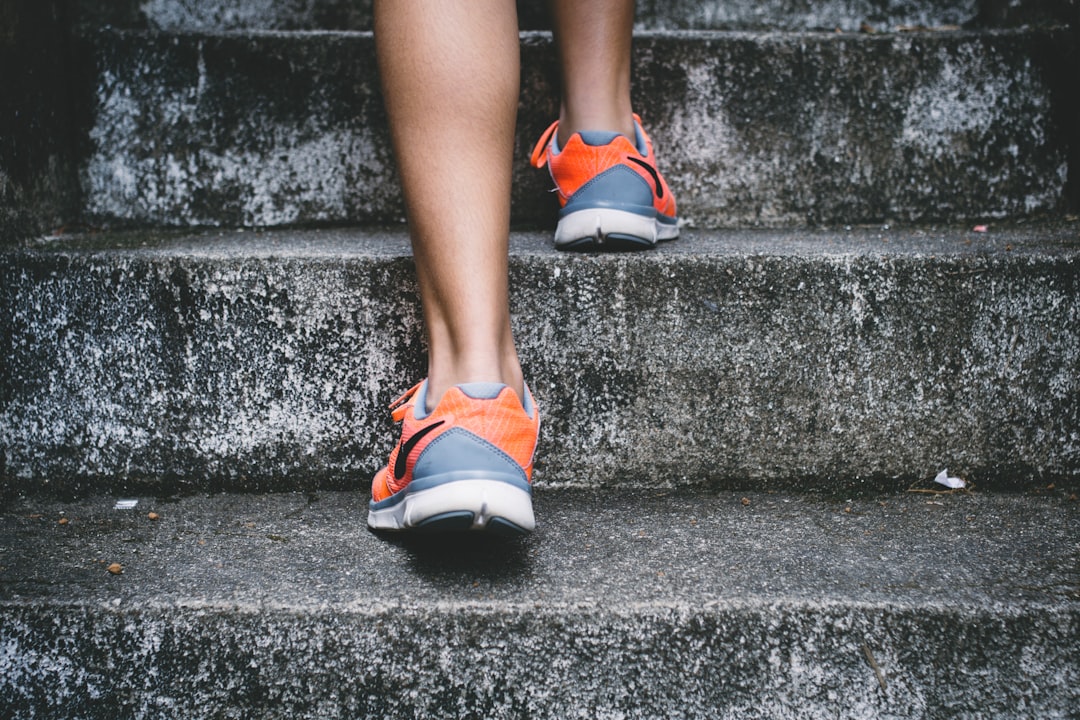
You do not need another heroic workout plan collecting dust in your notes app. You may need two minutes.
Exercise snacks are short bouts of purposeful physical activity, often lasting roughly 30 seconds to five minutes, performed throughout the day instead of relying on one long workout. The idea is gaining attention in 2026 because it attacks one of fitness’s oldest problems: people are busy, sitting is easy, and a 60-minute training window is often the first thing a crowded day eats.
That makes exercise snacking almost perfectly aligned with the Lean by Habit philosophy: shrink the action until resistance has less room to win, then repeat it often enough to matter.
What Are Exercise Snacks?
Exercise snacks are brief bouts of movement or vigorous exercise performed intermittently during the day. Think climbing stairs briskly for one or two minutes, doing a fast set of squats, taking a purposeful walking burst, or completing a tiny bodyweight circuit between blocks of desk work.
A 2026 narrative review in Frontiers in Public Health concluded that current evidence suggests exercise snacks can improve sedentary patterns and may increase overall physical activity. Favorable findings have also been reported for post-meal glucose and insulin responses, while some multiweek protocols have improved cardiorespiratory fitness and physical function. The researchers also stressed that evidence for outcomes such as body composition and long-term clinical endpoints remains limited or inconsistent.
In other words, micro-workouts are useful. They are not magic confetti you sprinkle over an otherwise motionless life.
Why Exercise Snacks Fit the Lean by Habit Model
The biggest advantage may be behavioral rather than physiological. A workout that requires changing clothes, driving to a gym and finding an uninterrupted hour carries a large activation cost. A two-minute stair climb has almost none.
That matters because consistency rarely fails from lack of information. It fails at the point of friction.
The Lean by Habit approach is to reduce that friction without reducing the standard to zero. This is the same principle behind the consistency-over-complexity approach to strength training and the 10-minute midday movement reset.
Exercise Snacks vs. Traditional Workouts
| Approach | Typical Dose | Best Use |
|---|---|---|
| Exercise snack | 30 seconds to 5 minutes | Breaking up sitting, adding activity, maintaining momentum |
| Short workout | 10 to 20 minutes | Minimum-dose strength or conditioning |
| Traditional session | 30 to 60+ minutes | Progressive strength, hypertrophy, endurance and skill development |
The smart answer is not to choose one forever. Use each tool for the job it does best.
The Lean by Habit 2-Minute Exercise Snack Plan
Start with three movement triggers per day. Attach each one to something that already happens.
1. After your first long block of sitting
Climb stairs briskly for 60 to 120 seconds, or take a fast walk down the hall, around the building or outside.
2. Before lunch
Perform 10 to 20 controlled squats or sit-to-stands, 8 to 15 countertop or wall push-ups, and a brief brisk walk. Stop before fatigue makes your technique sloppy.
3. During the afternoon slump
Walk briskly for two minutes or climb a few flights of stairs. The goal is not punishment. It is to interrupt inertia.
If vigorous exercise is inappropriate for your current fitness or health status, keep the bouts comfortable and build gradually.
Can Exercise Snacks Replace Strength Training?
Usually, no.
Exercise snacks are excellent for raising the floor of your activity. Progressive resistance training is still the better tool for deliberately building strength and muscle because you can control load, volume and progression. The two approaches work beautifully together.
A useful weekly system is two or three real strength sessions plus movement snacks on busy or sedentary days. If you want a broader framework, see the Lean by Habit weekly plan for the five components of fitness.
The Habit Rule: Never Depend on Remembering
The 2026 review identified forgetting and contextual constraints as real barriers to exercise-snack adherence. That is a habit-design problem.
Do not tell yourself, “I’ll move more today.” Give the behavior a trigger:
- After I finish a 60-minute work block, then I climb the stairs.
- Before lunch, then I do one short movement circuit.
- When my afternoon coffee starts, then I walk for two minutes.
The cue carries the behavior so motivation does not have to.
What the Research Does and Does Not Say
The scientific case is encouraging, but the internet has a habit of turning “promising” into “miracle” before lunch.
Research reviewed in 2026 supports exercise snacks as a practical way to interrupt prolonged sitting and increase activity exposure. Some protocols have produced favorable cardiometabolic and fitness outcomes. But the literature is still heterogeneous, and researchers are calling for better dose-response data and longer trials.
A separate 2026 article in Exercise and Sport Sciences Reviews is even exploring “exergame snacks,” short game-based activity sessions intended to make these brief bouts more engaging and easier to sustain.
The takeaway is refreshingly boring: short movement counts, but it does not repeal exercise physiology.
Frequently Asked Questions
How long should an exercise snack be?
Many exercise-snack approaches use bouts from under a minute to about five minutes. Choose a dose you can perform safely and repeat consistently.
How many exercise snacks should I do per day?
There is no universally established optimal number. A practical starting point is two or three short bouts spread across a sedentary day, then adjust according to your fitness and schedule.
Do exercise snacks burn fat?
They contribute to activity and energy expenditure, but fat loss still depends primarily on sustained energy balance. Use exercise snacks to improve the system, not as a calorie-erasing trick.
Are stair-climbing snacks effective?
Stairs provide an easy way to raise intensity quickly and have been used in exercise-snack research. Start conservatively, especially if you are deconditioned or have joint, balance or cardiovascular concerns.
Should I exercise snack on days I lift weights?
Yes, if the extra activity does not interfere with recovery. Keep most snacks easy to moderate and treat genuinely hard bouts as training that needs to be accounted for.
The Lean by Habit Takeaway
Your schedule does not need to become less chaotic before your body gets another chance to move.
Build one tiny movement trigger into the day. Then another. Let the repetitions accumulate.
The minimum effective dose is not an excuse to do as little as possible. It is a strategy for making sure you do something useful often enough to build a life around it.
Today’s action: pick one reliable cue and attach a two-minute movement snack to it. Do it today, not when the calendar becomes polite.
Featured photo by Bruno Nascimento via Unsplash.


Leave a Reply