
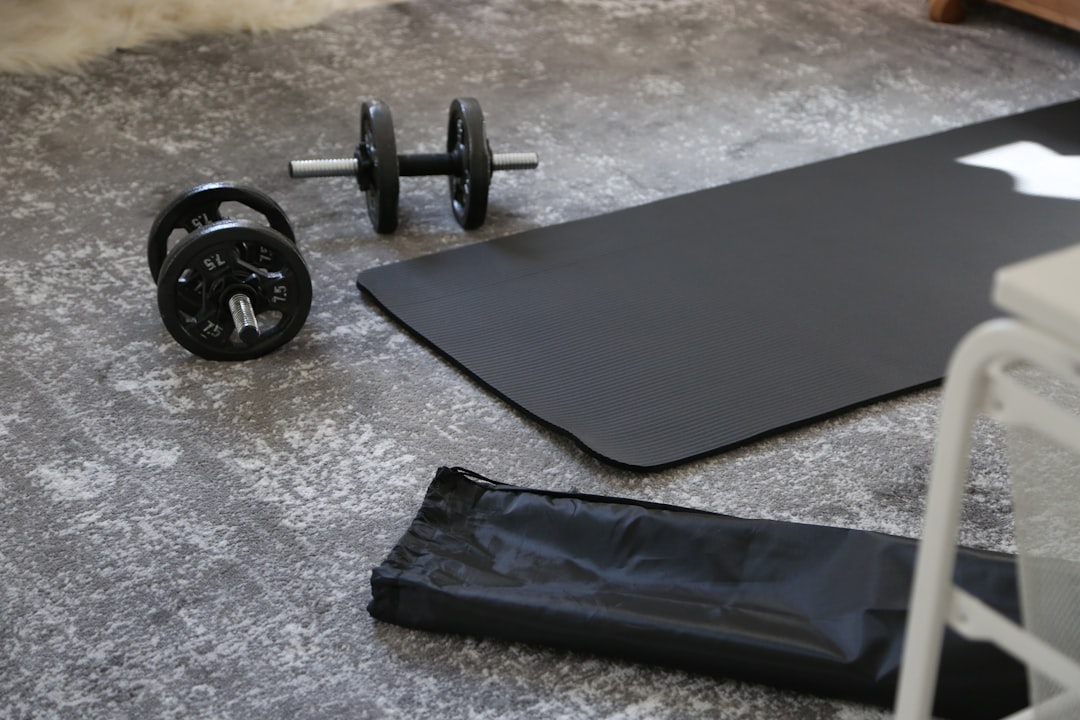
Most people do not need a more complicated workout. They need a workout they can keep doing.
That idea sits at the center of the American College of Sports Medicine’s updated 2026 resistance-training guidance. After reviewing evidence across more than 30,000 participants, the message is refreshingly practical: resistance training works, consistency matters, and many of the details people obsess over are secondary.
Start with the habit, not the perfect program
ACSM recommends training all major muscle groups at least twice per week. For strength, heavier loads and multiple sets can improve results, but the larger lesson is that a workable program done consistently beats an elaborate program done sporadically.
That is especially important when work, travel, family, or fatigue compresses the available training window. The solution is not to abandon the session because 60 minutes are unavailable. The solution is to reduce the dose while protecting the habit.
Use a minimum effective session
Research on low-volume resistance training shows that even very small doses can produce meaningful strength gains, particularly compared with doing nothing. A 2024 review of minimal-dose strategies found that approaches such as single-set training, brief exercise snacks, and low-frequency sessions can improve strength while sharply reducing the time commitment.
For a busy day, use this simple template:
- Choose one lower-body movement.
- Choose one push.
- Choose one pull.
- Perform one to three hard sets of each.
- Stop before the session becomes an excuse to skip tomorrow.
Examples include a squat or leg press, a bench press or push-up, and a row or pulldown. If time allows, add a hinge, carry, or core movement.
Protect the identity
The real value of a short session is larger than the calories burned or the tonnage lifted. It reinforces the identity of someone who trains even when conditions are imperfect.
That identity compounds. One shortened workout prevents a missed workout. One preserved habit makes the next session easier to start. Over months and years, this is where progress comes from.
The Lean by Habit rule
When life gets busy, reduce the dose before you reduce the frequency.
Do less if necessary, but keep showing up. A twenty-minute strength session is not a failed sixty-minute workout. It is a successful twenty-minute workout.
The new evidence does not eliminate the value of good programming. It puts programming in the right order. First build consistency. Then optimize.
Your action today: decide what your minimum strength session will be before you need it. Write down three exercises and the smallest number of sets you are willing to complete on a difficult day. That becomes your fallback plan.
Consistency is not the compromise. Consistency is the mechanism.
Explore more practical training and habit tools at LeanByHabit.com/program-pdf.
Research: American College of Sports Medicine, 2026 resistance-training position stand; Nuzzo JL et al., Sports Medicine, 2024, on minimal-dose resistance exercise strategies.



Leave a Reply