
Creatine is having a moment far beyond the weight room. Once treated mainly as a muscle-building supplement, creatine monohydrate is now drawing attention for healthy aging, brain energy and cognitive performance. One especially interesting question for busy professionals, travelers and anyone who occasionally loses a night of sleep is this: can creatine help your brain perform when sleep falls short?
The newest evidence says maybe, in specific circumstances. That is interesting. It is not permission to trade sleep for a scoop of powder.
What does creatine do during sleep deprivation?
Creatine helps cells rapidly regenerate ATP, the energy currency used by muscle and brain tissue. Sleep deprivation places unusual metabolic stress on the brain. Researchers have therefore tested whether increasing creatine availability can blunt some of the cognitive deterioration that follows prolonged wakefulness.
A 2026 randomized crossover trial involving 29 healthy adults tested a single dose of 0.2 g/kg creatine monohydrate during 21 hours of sleep deprivation. Compared with placebo, creatine reduced deterioration in several measures involving logic, numerical tasks, language processing speed and psychomotor vigilance. The researchers reported improvements of up to 12 percent in some outcomes.
That result is promising, but it needs context. A 2026 systematic review found only five eligible studies on creatine and acute sleep deprivation. The overall direction was favorable, but the authors emphasized that the evidence remains sparse and effects vary across cognitive domains.
The headline is exciting. The habit lesson matters more.
Lean by Habit is built around a simple idea: use tools to strengthen the system, not to excuse a broken one.
Creatine may become a useful resilience tool. Sleep is still the foundation. A supplement that potentially reduces part of the performance decline from an unusually bad night does not reproduce the many physiological functions of adequate sleep.
Think of creatine like a spare tire. You are glad it is there when the road gets ugly. You do not slash your tires because the spare worked once.
Creatine during sleep loss: what we know vs. what we do not
| Evidence supports | Evidence does not establish |
|---|---|
| Creatine supports rapid cellular energy availability | Creatine replaces adequate sleep |
| Small trials suggest benefits to some cognitive tasks during acute sleep deprivation | Everyone will experience the same cognitive benefit |
| A 2026 trial found reduced deterioration in several cognitive measures | A large single dose should become routine practice |
| Systematic-review evidence is promising | The sleep-deprivation evidence is mature or definitive |
The Lean by Habit creatine strategy
1. Make consistency boring
For established sports-nutrition uses, creatine works because muscle creatine stores accumulate. The practical habit is not chasing exotic timing. It is choosing a repeatable routine. Creatine monohydrate remains the form with the deepest research base.
2. Attach it to an existing cue
Put the container where an established behavior already happens. Breakfast, a post-workout meal or your first bottle of water can become the cue. The exact cue matters less than making the behavior automatic.
3. Do not copy an experimental sleep-deprivation dose
The 2026 trial used 0.2 g/kg as a single experimental dose. That is very different from ordinary daily supplementation and should not be interpreted as a recommendation to take that amount whenever you sleep badly. Research protocols answer research questions. They are not automatically consumer instructions.
4. Protect sleep first
If travel, work or family obligations compress your night, use the same minimum-effective-dose philosophy that applies to training: protect what matters most. Shorten the workout before shortening sleep further. Reduce optional late-night screen time. Prepare tomorrow before fatigue starts negotiating with you.
5. Use supplements as support, not absolution
A strong fitness system survives imperfect days because its fundamentals remain intact: resistance training, movement, protein-rich meals, sensible energy intake and adequate recovery. Supplements belong around that foundation.
What about creatine for strength and healthy aging?
The renewed interest in creatine is not based only on cognition. It remains one of the most studied performance supplements for repeated high-intensity exercise and resistance training. That makes it especially compatible with the Lean by Habit approach: pair a simple evidence-based tool with a training routine you can actually sustain.
If your goal is stronger aging, start with the behaviors that do the heavy lifting. Build a repeatable strength routine, keep daily movement high, eat enough protein and make recovery part of the plan rather than something you hope happens.
A simple travel rule
Business travel is where this becomes practical. Flights get delayed. Hotel sleep is inconsistent. Time zones do not care about your training plan.
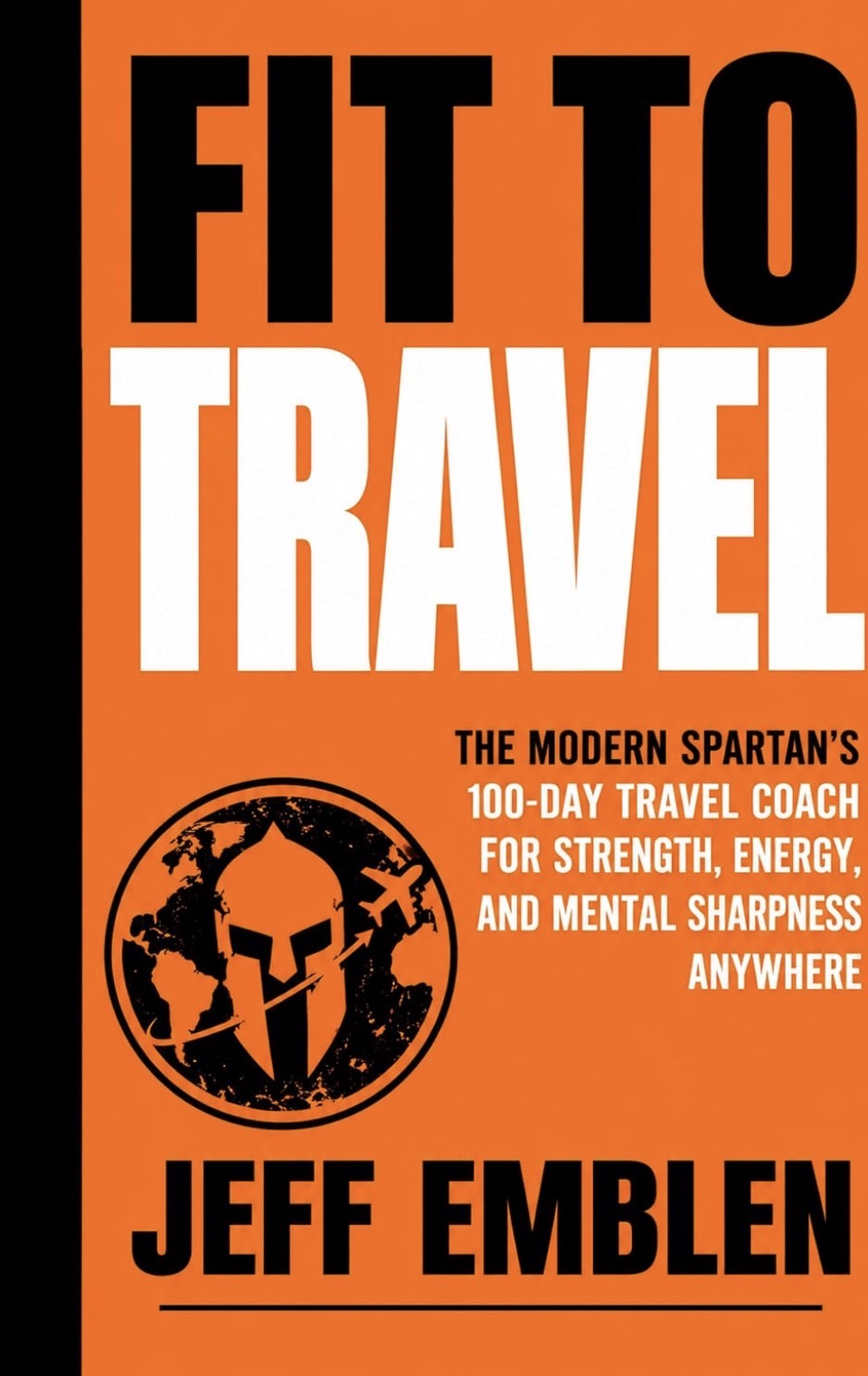
When sleep gets squeezed, resist the urge to compensate with a heroic workout. Use a smaller training dose, walk, hydrate, eat normally and get the next sleep opportunity right. That is the same principle behind Fit to Travel: the goal is not a perfect road routine. It is a system that keeps functioning when the environment changes.
For a broader weekly framework, see The 5 Components of Fitness. If time is tight, the recent Consistency Beats Complexity guide shows why repeatable training beats elaborate programming.
Frequently asked questions
Does creatine help when you are sleep deprived?
Early evidence suggests creatine may reduce deterioration in certain cognitive tasks during acute sleep deprivation. A 2026 trial reported benefits in logic, processing speed and vigilance, but the overall research base is still small.
Can creatine replace sleep?
No. The available research examines whether creatine can mitigate selected effects of acute sleep deprivation. It does not show that creatine reproduces the broad restorative functions of sleep.
Should I take a huge dose after a bad night?
No conclusion like that can be drawn from the current evidence. The large single doses used in experimental sleep-deprivation studies were research interventions, not general dosing recommendations.
Is creatine only for bodybuilders?
No. Creatine is relevant to muscle energy and has been studied across strength, aging and cognitive contexts. Its strongest established use remains supporting high-intensity exercise and resistance-training adaptations.
The bottom line
The emerging creatine-and-cognition research is genuinely interesting. It also illustrates one of the most useful rules in fitness: do not let an optimization distract you from the foundation.
Creatine may help make a good system more resilient. It cannot make chronic sleep deprivation a good system.
Your action: If creatine fits your goals and circumstances, make the routine simple. Then put more attention into the behaviors with the largest return: train consistently, move every day, eat intelligently and protect your sleep.
Sources
Williams NB, Hurley RB, Cevallos ME. Creatine Supplementation and Acute Sleep Deprivation: A Systematic Review of Cognitive, Psychomotor, and Mood Outcomes. Journal of Integrative and Complementary Medicine. Published June 9, 2026.
Gordji-Nejad A, et al. Single-Dose Creatine Reduces Sleep Deprivation-Induced Deterioration in Cognitive Performance. Nutrients. Published April 10, 2026.
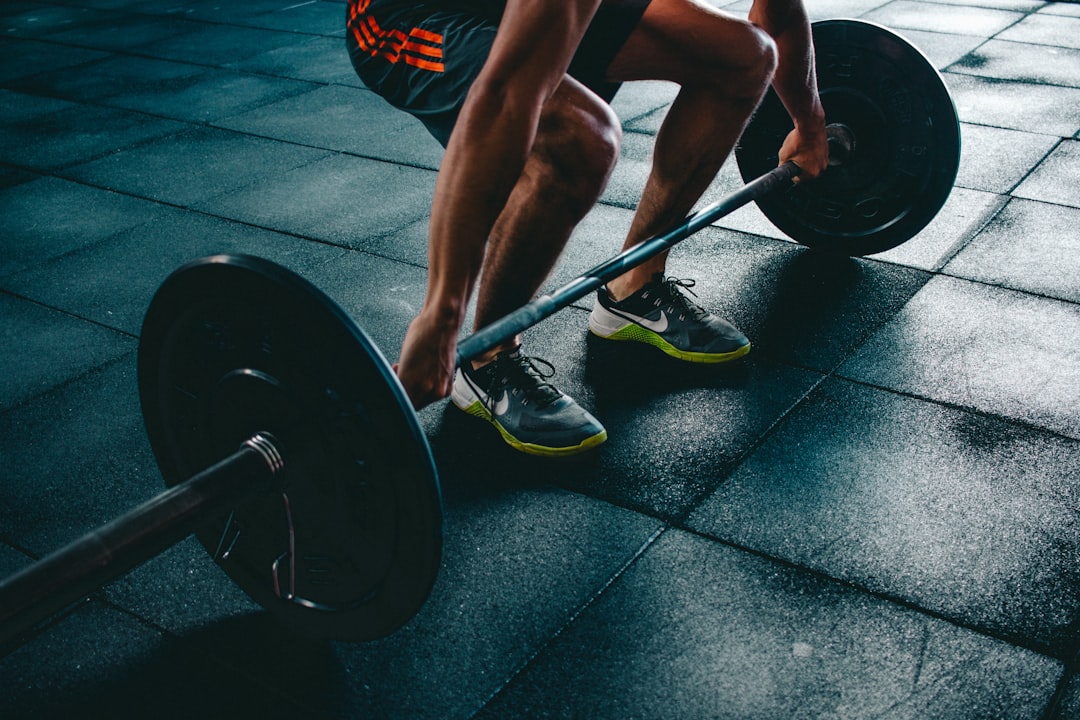
Featured photo: Victor Freitas via Unsplash.


Leave a Reply