

Most people think exercise only counts when it happens in a gym, lasts 30 to 60 minutes, and leaves you sweaty.
That belief creates an unnecessary barrier.
If you are busy, tired, traveling, stuck in meetings, or simply struggling to build momentum, there is another tool worth adding to your routine: exercise snacking.
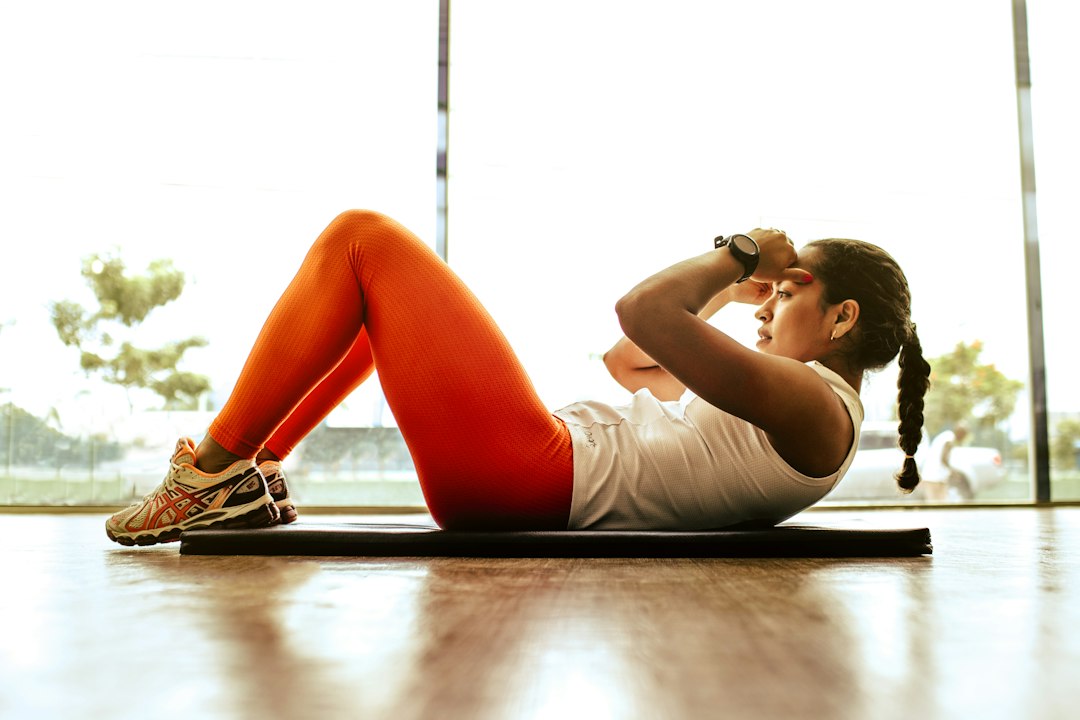
Exercise snacks are short, intentional bursts of movement performed throughout the day. Think one to five minutes of brisk walking, climbing stairs, bodyweight squats, push-ups, or another simple activity.
They are not a replacement for a well-designed strength-training program or regular cardiovascular exercise. They are something more practical: a way to make movement easier to repeat.
And that makes them a perfect fit for the Lean by Habit philosophy.
Why Exercise Snacking Is Having a Moment
Exercise snacking has become one of the more useful fitness trends of 2026 because it addresses a problem almost everyone understands: we sit too much and often feel we do not have enough uninterrupted time to exercise.
A July 2026 Houston Methodist article described exercise snacks as short, intentional bursts of movement that can be inserted into normal life, such as walking between meetings, taking the stairs, or doing a few bodyweight movements while waiting for coffee to brew.
The appeal is obvious. You do not need a gym. You do not need special clothes. You do not need an hour.
You just need a few minutes and a repeatable cue.
What the 2026 Research Shows
The strongest case for exercise snacks is not that they burn huge numbers of calories. They do not.
The better argument is that breaking up long periods of sitting appears to improve how your body handles meals and prolonged inactivity.
A 2026 systematic review and meta-analysis published in Obesity Reviews examined 53 studies, with 39 included in the meta-analysis. Compared with uninterrupted sitting, regular activity breaks reduced post-meal glucose and insulin responses. Walking breaks produced the largest improvements among the activity modes studied.
Another 2026 meta-analysis covering 144 studies and more than 2,200 participants found that frequent physical-activity bouts reduced blood glucose and insulin and also produced favorable changes in blood pressure and other cardiometabolic markers.
These studies largely measured short-term physiological responses, so exercise snacking should not be sold as a miracle longevity hack or a stand-alone weight-loss strategy.
But the direction is encouraging: moving periodically is better than remaining sedentary for hours at a time.
The Habit Advantage
The biggest benefit may be behavioral.
Traditional exercise often has a high activation cost. You may need to change clothes, drive somewhere, organize equipment, block out time, and convince yourself to start.
An exercise snack can have almost no activation cost.
That matters because habits become easier to repeat when friction is low.
If your rule is, “I need a full workout or it does not count,” a busy day can quickly become a zero.
If your rule is, “When I have three minutes, I move,” you create more opportunities to succeed.
Those small wins reinforce the identity of being an active person. And once that identity becomes established, larger behaviors often become easier to maintain.
A Simple Exercise-Snack Formula
Do not overcomplicate this. Pick one cue, one movement, and one minimum dose.
Cue: Attach movement to something that already happens.
- After a meeting
- After lunch or dinner
- When your smartwatch tells you to stand
- When you refill your coffee or water
- At the top of every hour
Movement: Choose something simple enough that you can do it almost anywhere.
- Walk briskly for three to five minutes
- Climb a few flights of stairs
- Perform 10 to 20 bodyweight squats
- Do countertop or wall push-ups
- Perform a short resistance-band circuit
- Walk while taking a phone call
Minimum dose: Make the starting requirement almost too easy to fail.
For example:
“After lunch, I will walk for five minutes.”
That is specific, measurable, and easy to repeat.
Post-Meal Walking Is Especially Useful
If you want one exercise snack to start with, make it a short walk after a meal.
A systematic review and meta-analysis published in Sports Medicine found that exercise performed after eating reduced post-meal glucose excursions more effectively than exercising before the meal or remaining inactive. Walking soon after eating appeared particularly useful.
You do not need to turn dinner into a workout. A short, comfortable walk is enough to establish the behavior.
The real goal is not to optimize every glucose curve. It is to create a reliable movement habit tied to something you already do every day: eat.
What Exercise Snacks Cannot Do
This is where fitness trends often go wrong. A useful idea gets exaggerated until it becomes a promise it cannot keep.
Exercise snacks do not eliminate the need for progressive resistance training if you want to build significant strength or muscle.
They do not replace sufficient weekly cardiovascular activity.
And they do not override an excessive calorie intake if fat loss is your primary goal.
The CDC continues to recommend that adults accumulate at least 150 minutes of moderate-intensity aerobic activity each week, along with muscle-strengthening activity on at least two days.
Think of exercise snacks as a supplement to that foundation, not a substitute for it.
The Lean by Habit Approach
Fitness improves when healthy behaviors become easier to perform consistently.
That is why the best exercise snack is not the theoretically perfect one. It is the one that fits naturally into your life.
Start with one trigger:
After one meal each day, walk for five minutes.
Do that until it feels automatic.
Then add another movement break if you want.
Do not chase intensity before consistency. Do not turn a simple idea into another complicated program.
A five-minute walk may look insignificant on a single day.
But repeated hundreds of times, it becomes something much more important: part of how you live.
Better habits. Better body.
Sources
- Gale JT, et al. The Acute Effects of Interrupting Prolonged Sitting With Regular Activity Breaks on Postprandial Glucose and Insulin in Adults. Obesity Reviews. 2026.
- Optimizing physical activity bouts to interrupt sedentary behaviour for cardiometabolic health: systematic review and meta-analyses. 2026.
- Engeroff T, et al. After Dinner Rest a While, After Supper Walk a Mile? Sports Medicine. 2023.
- CDC Physical Activity Guidelines for Adults.
- Houston Methodist: Don’t Have Time for a Full Workout? Try Exercise Snacking. July 2026.

Leave a Reply