
At 45, Lisa found herself struggling with everyday tasks—carrying groceries, climbing stairs, even playing with her grandchildren left her winded. She realized that her sedentary lifestyle was taking a toll on her strength and mobility. Determined to make a change, Lisa turned to functional strength training. Within months, she noticed significant improvements: increased energy, better balance, and a newfound confidence in her daily activities.
Lisa’s story is not unique. As we age, maintaining muscle mass and functional strength becomes crucial for our overall health and independence. Functional strength training focuses on exercises that mimic real-life movements, enhancing our ability to perform daily tasks with ease.
The Importance of Strength Training After 40
Starting in our 30s, we naturally begin to lose muscle mass—a process known as sarcopenia. By the time we reach 80, we may have lost up to 50% of our muscle mass. This decline affects our balance, metabolism, and overall quality of life. However, incorporating strength training into our routines can counteract these effects.thetimes.co.uk
According to the National Institute on Aging, strength training helps maintain muscle mass, improves mobility, and increases the healthy years of life. It also reduces the risk of falls, chronic diseases, and mortality. Moreover, strength training has been shown to improve bone density, which is particularly important for postmenopausal women at risk of osteoporosis. nia.nih.gov

Functional Strength Training: Enhancing Daily Life
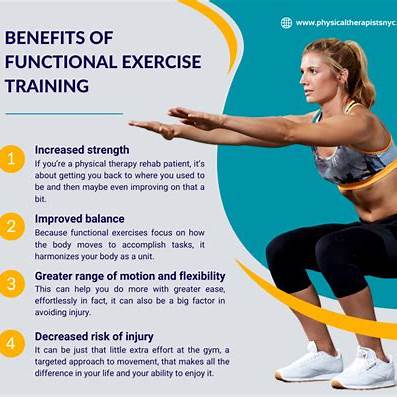
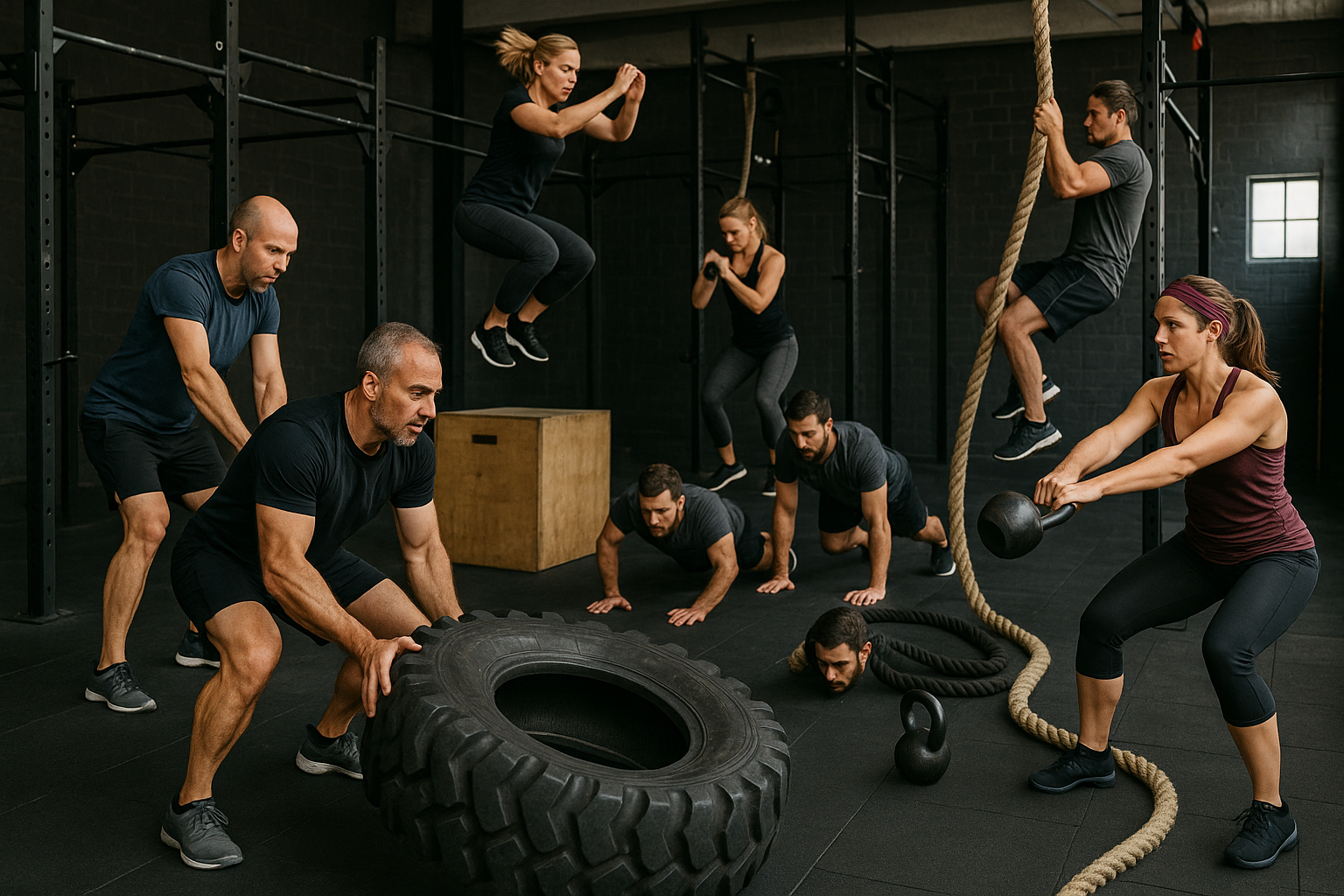
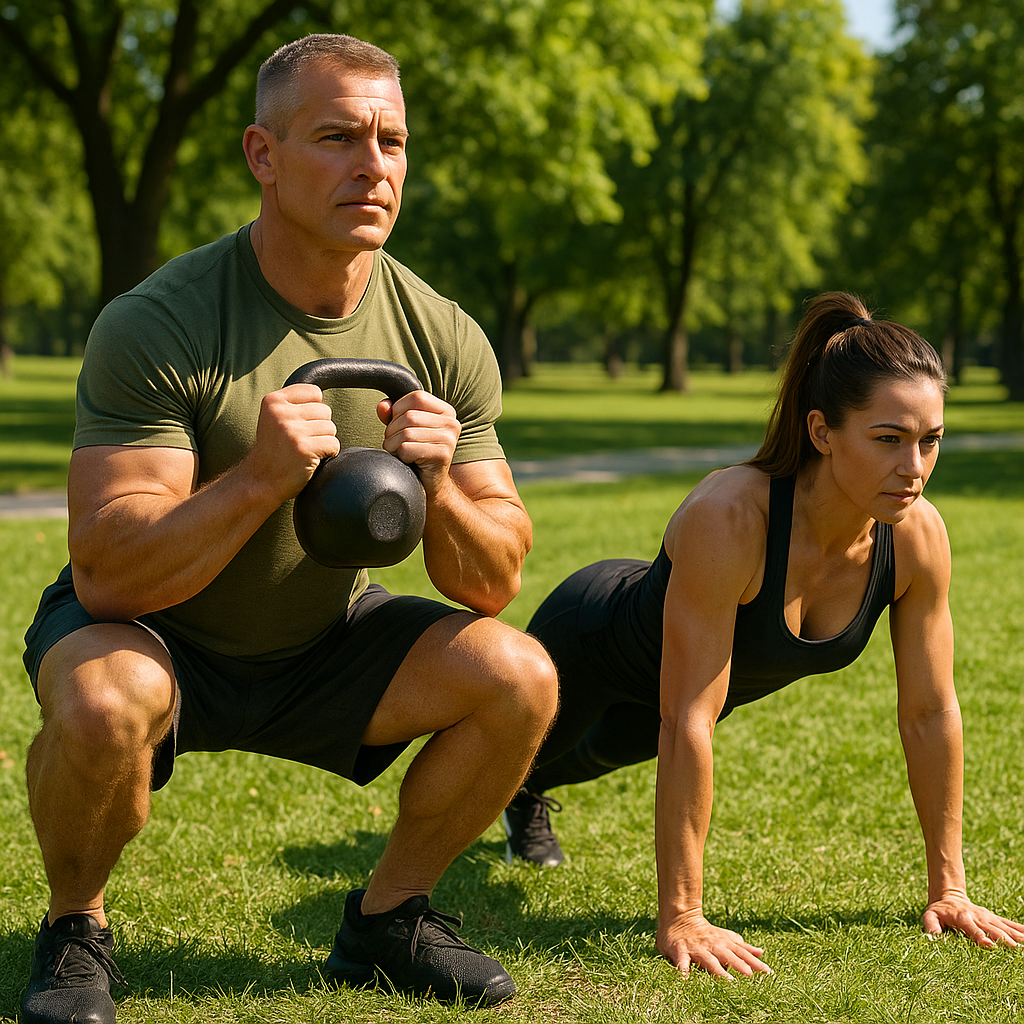
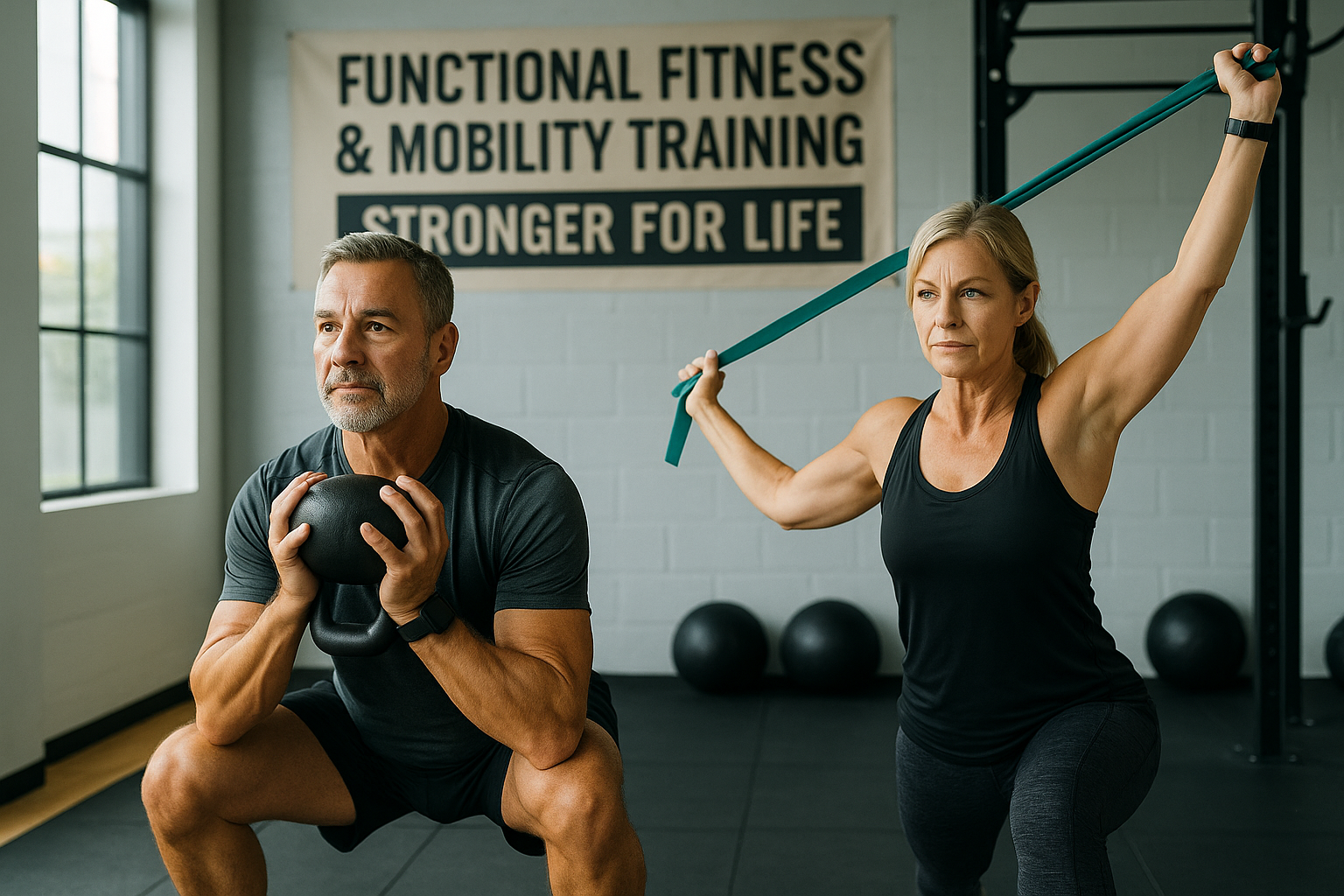
Functional strength training involves exercises that replicate everyday movements, such as squatting, lifting, and reaching. This approach not only builds muscle but also improves coordination, balance, and flexibility. Exercises like squats, lunges, push-ups, and planks are staples of functional training. Incorporating tools like resistance bands, kettlebells, and medicine balls can add variety and challenge to your workouts. adaptivestrength.com.au+2en.wikipedia.org+2mdpi.com+2
A study published in the Journal of Strength and Conditioning Research found that functional strength training significantly improved balance and functional movement in middle-aged adults. Participants experienced enhanced performance in daily activities, reduced risk of injury, and better weight control. mdpi.com+1pmc.ncbi.nlm.nih.gov+1en.wikipedia.org+1en.wikipedia.org+1
Lean by Habit: Supporting Your Fitness Journey
At Lean by Habit, we understand the unique challenges faced by individuals over 40. Our programs are designed to help you lose weight and gain functional strength through personalized training plans and nutritional guidance. We focus on sustainable habits that integrate seamlessly into your daily life, ensuring long-term success.
Whether you’re new to exercise or looking to enhance your current routine, Lean by Habit offers the tools and support you need to achieve your fitness goals. Our approach emphasizes consistency, proper form, and gradual progression to help you build strength safely and effectively.

Conclusion: Embrace Strength for a Healthier Future
Functional strength training is more than just a fitness trend; it’s a vital component of healthy aging. By focusing on movements that enhance your daily life, you can improve your physical capabilities, prevent injuries, and maintain independence as you age. With the right guidance and commitment, it’s never too late to start building a stronger, healthier you.nia.nih.gov+2mdpi.com+2adaptivestrength.com.au+2
Are you ready to take the first step toward a more active and fulfilling life?
💥 Ready to Transform Your Body — One Habit at a Time
Lean by Habit gives you a simple, proven system to build lasting fitness and nutrition habits — without relying on willpower.
👉 Grab your copy of Lean by Habit today on Amazon and take the first step toward a healthier, stronger you.


Leave a Reply