How to Develop an Exercise Routine
So you want to start exercising. That’s great. You’ve come to the right place. I will show you how to start an exercise regimen and, more importantly, make it a habit that becomes a lifestyle.
Lasting behavior change is generally a result of one or more of the elements below:
- An Epiphany
- A New Environment
- Small Behavior Changes
I will focus on the second and third elements because these are the things we can control. Unless you are God, it is difficult to engineer an epiphany, a powerful experience that causes you to reevaluate your priorities. For example, it often takes a heart attack to get someone to take their health more seriously.
STEP 1 – Improve Your Environment
The most consistent exercisers do it first thing in the morning, but if you are like me, you have difficulty waking up. Fortunately, you can tweak your environment to make getting out of your warm, comfortable bed easier. If you use your smartphone as your alarm clock, charge it next to your workout clothing in the bathroom. It will force you to leave your bed and trudge across the room to turn it off.
If you plan to train during lunch, get in the habit of packing your gym bag and putting it next to your work bag each evening. I also recommend you set a phone reminder to train. I programmed my “EXERCISE” alarm to go off at 10:50 AM during weekdays. This allows me to hit the snooze if I need to finish up something. I can hit it multiple times if I’m putting out a big fire or stuck in a meeting. We have the most control over the bookends of our day, not the messy middle. The snooze feature resets the reminder. Once your obligation is met, you can use the secondary reminder as an immediate cue to act.
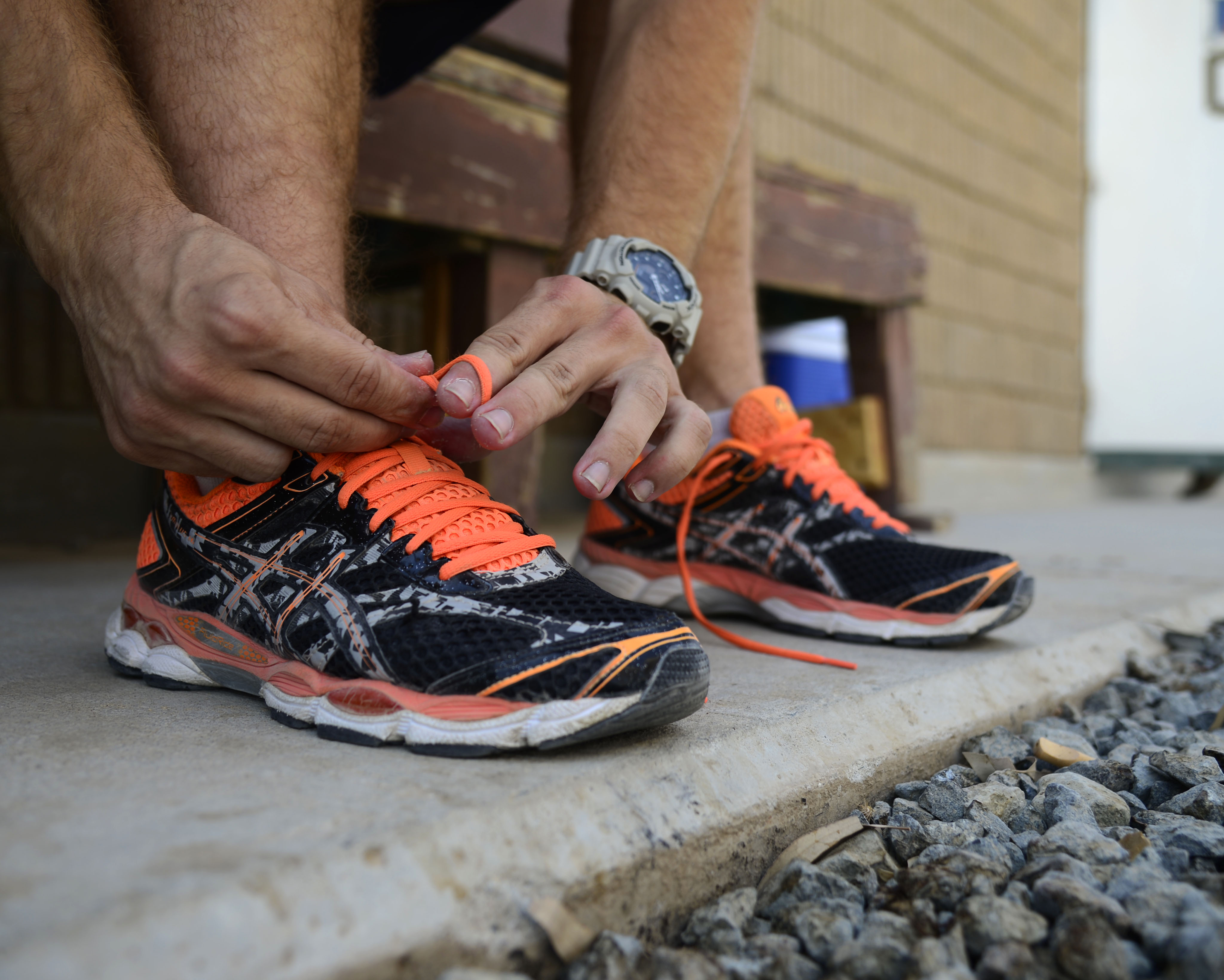
If you are committed to a goal, your environment should reflect that. You want to remove as many steps as possible and create positive cues to remind yourself to exercise. Laying out your clothing and headphones and putting a pair of socks in your sneakers will save you valuable time in the morning and provide a positive prompt to begin your day in the best way possible with mood-enhancing exercise.
There is no better way to start your day than with exercise. Besides elevating your metabolism for hours, it will enhance your self-control, create new neurons in your hippocampus, improve cognitive performance, and enhance your mood for up to 12 hours. Most people think of their minds and bodies as separate, but they are bound together. How you use your body profoundly influences your thoughts, emotions, and cognitive performance.
Once you make exercise a habit, you’ll discover it is more about feeling good than looking good. People who exercise regularly are much less likely to suffer depression and other psychological ailments. Daily exercise can transform your life because when we feel better, we do better.
Getting up a little earlier to exercise gives you a psychological and physiological advantage. Knowing you have the discipline to get up and do a workout gives you a mental edge over everyone else. You’ll begin the day with a win that gives you a sense of accomplishment.
Even if you plan to train at a commercial gym, I recommend investing in a small home gym to help you stay consistent. When the COVID-19 pandemic struck, I was profoundly grateful to have a well-equipped home gym. If you travel a lot, I recommend you keep a few pieces of equipment in your suitcase. Below is the minimum amount of equipment I recommend to start getting in shape, and you can find all of it on Amazon for less than $150.
Minimalist Home Gym
If you have a limited budget, prioritize strength training equipment. You don’t need machines to do cardio—a pair of running shoes is all you need. YouTube has a plethora of ideas for no-equipment cardio Workouts. When traveling, I usually do 15 minutes of cardio in my room. The scientifically designed Seven Minute Workout takes me through calisthenics circuits. Alternatively, I use my Tabata interval timer [Google or Apple] to perform calisthenic circuits, alternating between shadow boxing, squats, high knees running in place, and lunges.
Gym in a Suitcase
Home gyms allow you to create an ideal workout environment, and they are perfect for those who work from home or stay-at-home parents. It eliminates the time spent commuting to the gym, and it makes it easier to work exercise into your day. No one says you must complete your workout at one time. You can exercise for a few minutes, do some household chores, and resume training later. Even if you don’t complete your workout, whatever you do is infinitely better than nothing. We want to develop the habit of exercise. Habits are built through repetition, not duration.
Short workouts performed regularly will produce better results than longer workouts performed sporadically. We can work out hard or long, but we cannot do both. We pace our effort based on how much work we have ahead. If I told you that you only had one set of squats to stimulate growth in your thighs or 5 minutes to torch body fat and get fit, you wouldn’t pace yourself. I would rather exercise for 5 minutes every day than for an hour once a week. I would rather perform three sets of chest exercises twice a week than ten sets once a week.
A home gym might not be as well-equipped as a commercial gym, but it is yours to personalize. Home gyms give you complete control over your workout area. You can play any music you like or watch whatever you want. You can place motivational quotes or images in your home gym. You can put your workout routine on the wall and refer to it during your workout. You can use the power of “I don’t” to fortify yourself during a workout. You can put up a sign that says, “I Don’t Quit. I Don’t Give up!”
As you continue on your workout journey and want to invest more money, consider purchasing an adjustable bench with a leg curl, leg extension attachment, and a set of adjustable dumbbells. The programs in my book are designed to be done in a commercial gym or at home. The home gym workouts require:
- Adjustable bench
- Adjustable Dumbbells
- Pull-up Bar
- Stability Ball
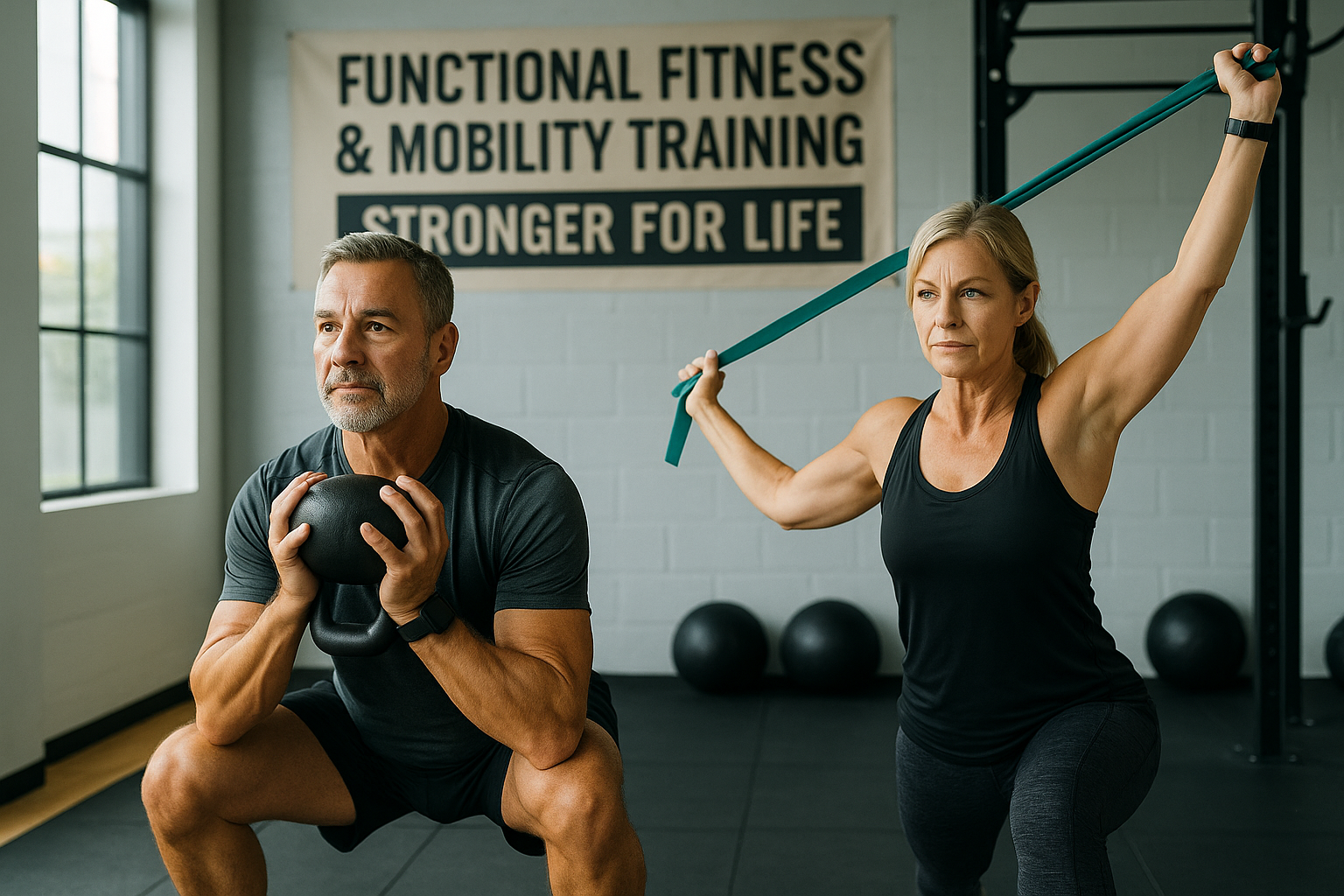
- Resistance Bands
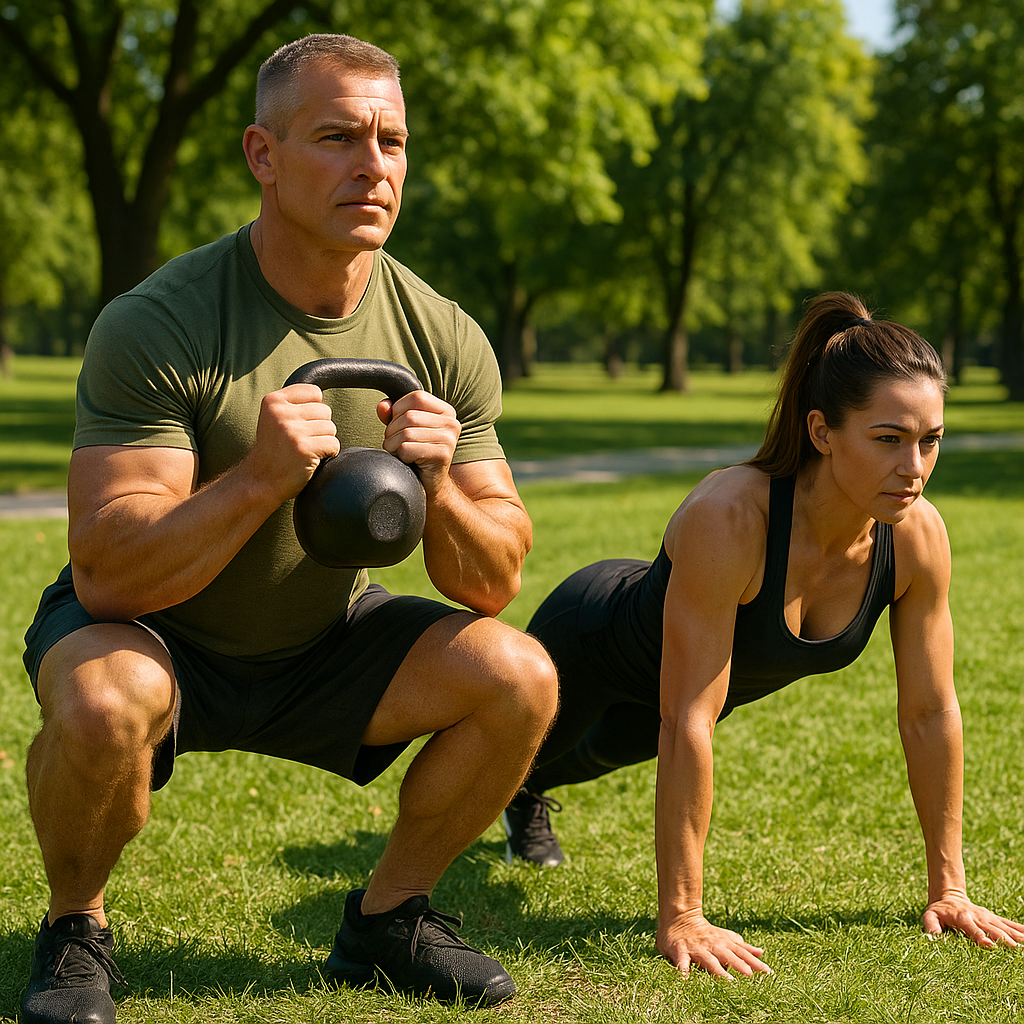
- Kettlebell (18 lbs. for women, 35 lbs. for men)
More Ways to Create a Positive Exercise Environment:
- Join a club or participate in instructor-led fitness classes.
- Set up a convenient workout area in your home.
- Put a kettlebell in your living room and a pull-up bar in a doorway to encourage additional exercise.

STEP 2 – Keep your Exercise Commitment Small
When it comes to behavior change, the evidence is overwhelming that starting small is a winning strategy. The BIG mistake most people make is starting with large commitments. The problem with large commitments is that they work for a little while, but then, as we lose motivation and don’t see the unrealistic, rapid transformation we imagined in the beginning, we quit. When people fail to follow through, they blame themselves for being lazy or unmotivated, but that is just WRONG.
People are quick to condemn themselves but reluctant to blame their strategy. But forcing yourself to exert more effort than you can sustain is a strategic mistake, like starting a marathon at a dead sprint. I think you’d have to agree that this would be a terrible strategy. If you had to run a marathon, especially one you hadn’t trained for, you’d pace yourself. So how is starting with big daily commitments to produce a life-long habit any different? It isn’t. When it comes to habits, tiny is powerful.
Don’t be afraid to reduce your exercise commitment. Many people will scoff at the effectiveness of a 5-minute workout, but there is a growing body of research showing that 5 minutes or less of intense exercise can produce real and meaningful results. And you’d have to agree that it is infinitely better than doing nothing.
I prefer strength training to cardio, so for a long time, I neglected my cardiorespiratory fitness. I felt my general physical preparedness, GPP, was adequate from strength training, especially because I generally perform circuits of three exercises with only a minute of rest in between exercises. When I decided to get in the habit of performing cardio each morning, I started with a 5-minute commitment.
Why did I pick 5-minutes as my starting point for my new exercise habit? The first reason is that if you rev up the intensity, that’s enough exercise to produce results. The second, more important reason is that I felt like on my worst day, I could get myself to get on my spin bike or perform calisthenics for 5 minutes. Most of my weekday morning cardio sessions are over in less than 10 minutes, with most sessions lasting 5 to 7 minutes. Yet, I’m able to maintain a relatively high level of aerobic conditioning with an average resting heart rate of 46 beats per minute. I’ve discovered that this amount of training is enough to maintain a solid foundation of aerobic fitness while helping me avoid overuse injuries. These short priming sessions also rev up my metabolism, improve my mood for hours, and prime my mind for peak performance without adding much time to my morning routine.
In the past few months, my cardio sessions have grown to 15 minutes, which brings me to another important point. Your exercise habit will naturally increase. You don’t have to force it. Like exercise intensity, it will evolve. When walking gets too easy, we start jogging. When jogging feels too easy, we transition to running. If you want the habit to stick, you want to focus on consistency. Keeping your commitment small is key to developing consistency because it allows you to whether your bad days.
Based on your preferences and priorities, you could take the opposite approach. Keep your strength training sessions short, closer to the minimum requirement, and devote more time to cardio. Performing a single set to failure has been shown to produce excellent results and should only take a minute or two. Like high-intensity interval training, you can abbreviate your workouts when you push the intensity to the limit. The beauty of this system is that you can do as much or as little as you want after you meet the minimum requirement. You have complete autonomy.
Some programs to get you started:
Minimalist Cutting Program
Cutting Program (Commercial Gym)
Cutting Program (Home Gym)

STEP 3 – Maintain a Habit Tracker
Habit trackers operate on the principle that what gets measured gets managed. Tracking our consistency is the best way to improve it because it makes us more aware of our behavior. Budget experts recommend people keep a spending log because they know it will cause them to cut back on their wasteful spending.
The habit tracker plays a crucial role in reinforcing positive habits. By creating an unbroken chain of Xs in your habit tracker, you’re on the fast track to developing a habit. Each time you exercise, you’re not just reinforcing the habit but also casting another vote for the type of person you aspire to become. Every workout is a small win that contributes to your self-esteem. Your scorecard isn’t just a record of your results; it’s a tool that strengthens them through increased awareness.
Set an evening alarm to complete your habit tracker early enough to fulfill any outstanding commitments. If, for example, you still need to exercise, you could knock out a quick 5-minute workout to meet your daily commitment. This alarm is your last opportunity to maintain an unbroken chain of X’s in your habit tracker and develop a winner’s mindset.
Habit Tracker (Blank)
Scorecard – Habit Tracker
Bonus Tip:
Another effective strategy is to find an accountability partner. Share your habit tracker scorecard with them each week. It can be as simple as texting them an image of your habit tracker. This added layer of accountability can make a significant difference. When you face a setback, they can provide encouragement and offer suggestions. Ideally, your accountability partner would be someone who has already developed the habit of exercising regularly.
Conclusion:
A bulletproof formula for developing an exercise habit is to:
- Improve your environment by removing steps and barriers to exercising and creating positive prompts to exercise.
- Keep your exercise commitment small, and focus on consistency.
- Maintain a habit tracker scorecard to improve consistency through increased awareness.
For additional tips, read
The Four Elements of Execution from my Amazon Top New Release
– Lean by Habit.
If I can help you, please email me at LeanByHabit@gmail.com.
Best wishes and best health!
Jeff
Subscribe to our Newsletter by visiting
LeanByHabit.com and entering your email address at the bottom of the page.
Building an Awesome Home Gym
____________________________________________________________________
If you prefer audio, did you know that the
Alexa App can read Kindle books while you’re driving or going about your day?
 Small Changes, Fantastic Results
If you are looking for a simple, common-sense approach to weight loss that creates a strong-firm body for life, Lean by Habit is it! It contains everything you need to get in great shape: eight free downloadable training programs based on your goals, a flexible diet, a habit tracker scorecard, and other execution-focused materials to help you succeed.
Lean by Habit combines the best behavioral and exercise science to produce outstanding results through short-daily bouts of exercise. Fifteen minutes is all you need to start getting leaner, fitter, and stronger.
If you are motivated to improve how you look and feel, the time to act is NOW! Don’t give your motivation a chance to wane and your excuses time to talk you out of it. When it comes to improving your life, there is no place better to start than with your habits, and there is no better program than this one to help you do it.
Click
HERE to get it delivered to your device and start taking small steps that produce tremendous results. Act now before the book’s normal price of $9.99 increases.
This book contains:
- The Three-Step Process for Behavior Change
- The Four Elements of Execution
- Eight Programs (with downloadable training logs)
- A Habit Tracker Weight Loss Scorecard
- A Flexible Diet



Leave a Reply