
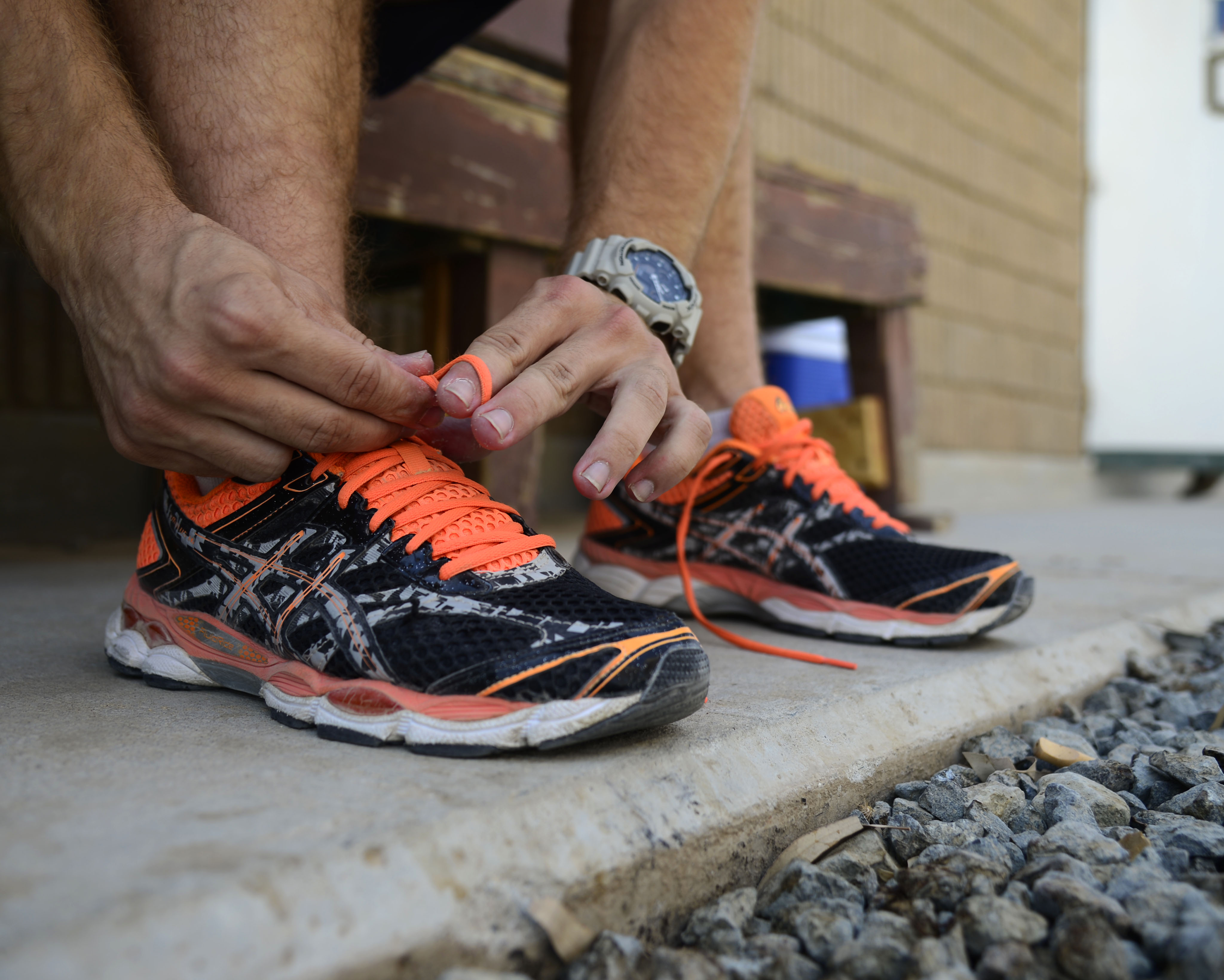
Gateway habits act like forks in the road, determining what you are going to do for the next few minutes or hours. Small routines like putting on your workout clothing immediately after waking-up, stopping at the gym after dropping your kids off at school, or going to the gym when your phone reminder goes off at 11 AM, are good examples of routines that will determine how consistently you exercise.
Gateway habits related to dieting could be deciding to heat-up leftovers instead of ordering take-out. Asking your waiter to bring a carryout container with your meal so you can remove excess food from your plate, saving it for a future meal. This one habit could make the difference between making progress or not. The longer you let the extra food sit on your plate, the more likely you are to overeat. Food is a primary reward that we are biologically programmed to eat whenever it is available. Even if you do not give in, leaving the food on your plate is going to erode your willpower unnecessarily – leaving you more vulnerable to the next temptation.
These gateway habits put your day on a positive or negative trajectory. Some gateway habits, like going to bed at a consistent time to get adequate sleep, will shape the day to come. Mastering these moments is crucial. I suggest you keep the initial action as small and easy as possible to execute. Some of these actions can even be automated. You can program your internet router to shut off at a specific time each night to avoid late-night TV. You could also set-up a phone alarm as a primary or secondary reminder to go to bed, so you’ll get at least seven and a half hours of restful sleep each night. Your bedtime ritual can be as simple as putting your phone in its charger, brushing your teeth, and putting your head on the pillow.
Gateway habits make establishing bigger habits easier. They shrink the commitment to something we can do in less than five minutes but shape what we do for hours. Just like Twyla Tharp’s routine of getting in the taxi to initiate her two-hour workout routine, once you complete your mini ritual, the actions that follow will become an extension of that routine. One habit stacking on top of the next. These gateway habits can be equated to decision points, a concept I learned in the military. The military defines a point in space and time when the commander or staff anticipates making a key decision concerning a specific course of action.[i]
We all experience decision points throughout our day, moments when we need to make a decision that will alter our options for hours. Are we going to hit the gym on the way home, or hit the bar? Are we going to go running in the morning or hit the snooze and sleep in? Am I going to stay up late watching Game of Thrones, or am I going to get a good night’s sleep? We want to do everything possible to consistently make good decisions. These good decisions will become gateway habits, producing broader habits that shape our desired identity.
These decision points, sprinkled throughout our day, can put us on either a virtuous cycle or a vicious one. For example, the decision to initiate our bedtime ritual on schedule the night before leads to a good night’s sleep, this, in turn, makes it more likely that we will get up put on our workout clothing, and exercise, instead of hitting the snooze. Working out will improve our mood for up to 12-hours, reducing our stress and consequently enhancing our self-control, which leads to better food choices and improved dietary compliance. Daily exercise and adequate sleep will reduce our cravings and stress levels while simultaneously increasing our willpower. Better food choices will result in better body composition. Improved body composition will lead to better sleep quality, making you more likely to exercise, eat better, and sleep better. Your results will provide the small wins that lead to lasting motivation. The more progress you make, the more motivated you’ll be to maintain your gateway habit.
A vicious cycle, on the other hand, begins with a negative gateway habit that leads to a cascade of bad decisions. We ignore our bedtime reminder and stay up late watching the news. We hit the snooze button the next morning, initiating another sleep cycle that is interrupted a few minutes later. We repeat this a couple more times, reinforcing the bad habit, and miss our planned workout. We start the day feeling defeated, exhausted, and stressed-out. Stress and fatigue sap our willpower and is one of the reasons a lack of sleep is closely linked to obesity. A lack of sleep also causes a hormone imbalance, which increases our cravings. The more rundown we feel, the stronger our cravings will be for junk food.
Clinical studies have demonstrated that most people need at least seven and a half hours of sleep each night.[ii] The easiest way to be better is to be better rested. We do our best when we feel our best. You’ll be more likely to follow through on your commitments to go to bed earlier, exercise regularly, log your food accurately, and make better decisions based on your long-term goals. One of my favorite books is EAT MOVE SLEEP. The author does a fantastic job of showing the reader how these three activities are interconnected, each playing a huge role in our overall health.
Shrinking the commitment to 5-minutes is so effective because it prevents us from becoming overwhelmed. In a phenomenon called subjective fatigue, our mind looks ahead, estimates all the work involved, and quickly becomes exhausted. The purpose of subjective fatigue is to kill any initiative that we perceive to be difficult, scary, or uncomfortable. Can you remember a time when you had procrastinated on beginning a project, only to discover, after starting, it wasn’t as difficult as your mind had made it out to be? If so, you have experienced subjective fatigue. When we put off doing something that needs to get done, we blame ourselves for being undisciplined. Procrastinators are seen as undisciplined and lazy when really, they are stressed-out and overwhelmed.
When we shrink the commitment, we reduce the effects of subjective fatigue. Most of us can convince ourselves to begin a task with a five-minute commitment. If you aren’t comfortable with a five-minute commitment, I recommend you reduce your commitment even further. Five-minutes is a suggestion, a starting point. A simple litmus test for determining if you have shrunk the commitment enough is whether you could do it on your absolute worse day or not? If you can answer to the affirmative, congratulations, you have shrunk the commitment down to a size that will improve your likelihood of forming a habit. If you cannot answer yes, keep shrinking it down until you can.
[i] DOD Dictionary of Military and Associated Terms, May 2019
[ii] National Sleep Foundation, How Much Sleep Do We Really Need? National Sleep Foundation, 2018.
If you enjoy this article, please LIKE, SHARE, and follow us on Facebook.
Each article has a unique like button (see Sharing menu on right side of screen)
If you enjoyed this article, please LIKE and SHARE.
Follow us on Facebook

My second book, Lean by Habit – A Bulletproof Plan for Body Transformation is NOW available on Kindle. If you prefer audio, did you know that the Alexa App can read Kindle books while you’re driving or going about your day?
SAMPLE THE FIRST HOUR FOR FREE: leanbyhabit.com/wp-content/uploads/2024/03/LEAN-BY-HABIT-Better-1.m4a
Small Changes, Fantastic Results
If you are looking for a simple, common-sense approach to weight loss that creates a strong-firm body for life, Lean by Habit is it! It contains everything you need to get in great shape. You’ll have eight free downloadable training programs to choose from based on your goals, a flexible diet, a habit tracker scorecard, and other execution-focused materials to help you succeed.
Lean by Habit combines the best behavioral and exercise science to produce outstanding results through short-daily bouts of exercise. Fifteen minutes is all you need to start getting leaner, fitter, and stronger.
If you are motivated to improve how you look and feel, the time to act is NOW! Don’t give your motivation a chance to wane and your excuses time to talk you out of it. When it comes to improving your life, there is no place better to start than with your habits, and there is no better program than this one to help you do it.
Click HERE to get it delivered to your device and start taking those small steps that produce tremendous results. Act now before the book increases to its normal price of $9.99.
This book contains:
- The Three-Step Process for Behavior Change
- The Four Elements of Execution
- Eight Programs (with downloadable training logs)
- A Habit Tracker Weight Loss Scorecard
- Flexible Diet
The AUDIBLE and PRINT versions will be available in November 2024.
If I can help you overcome challenges or answer questions, please email me at LeanByHabit@gmail.com.
Is there a better investment than the one you make in yourself? Purchase Lean by Habit NOW and start making the small changes that add up to spectacular results.
All the best,
Jeff Emblen
Author of Lean By Habit and The Fat Loss Habit

Attachments area
Preview YouTube video How to Have Your Kindle Books Read to You on Your Phone or Tablet
How to Have Your Kindle Books Read to You on Your Phone or Tablet




Leave a Reply